Hot water tanks, also known as water heaters, are essential components in both residential and commercial buildings. They provide the comfort of hot water for various applications, including bathing, cooking, cleaning, and space heating. However, like all appliances, they can encounter issues that require attention. Understanding the nuances of hot water tank installation and repair can save you time, money, and stress.
Understanding Hot Water Tanks
Before diving into installation and repair processes, it's crucial to grasp what a hot water tank is and how it operates. A typical hot water tank consists of a storage tank where cold water is heated to a set temperature before being delivered through your plumbing system.
Types of Hot Water Tanks
There are several types of hot water tanks available on the market today:
Tankless Water Heaters: These units heat water on demand rather than storing it in a tank. They are often more energy-efficient but may have limitations on flow rate. Conventional Storage Water Heaters: These are the most common type, featuring an insulated tank that holds a specific amount of hot water. Heat Pump Water Heaters: These systems transfer heat from the air or ground to heat water and are known for their efficiency. Solar Water Heaters: Utilizing energy from the sun, these systems can significantly reduce energy bills but may require backup systems for cloudy days or high demand.
Understanding which type suits your needs will help you make informed decisions regarding installation or replacement.
Installation Process
Installing a hot water tank involves several steps that require attention to detail and adherence to local codes. Proper installation ensures optimal performance and longevity of your unit.
Preliminary Considerations
Before installation begins, consider factors such as the size of the space where the heater will be installed and local building codes. It is also wise to evaluate household hot water needs based on usage patterns—more people typically means higher demand for hot water.
Steps for Installation
Site Preparation: Ensure that the area is clean and free from debris. The floor should be level to accommodate the weight of the filled tank.
Disconnect Old Unit (if applicable): If you're replacing an old unit, turn off power or gas supply and disconnect plumbing lines carefully.
Positioning: Place the new tank in its designated spot while ensuring adequate clearance around it for maintenance purposes.
Connecting Plumbing Lines: Connect cold-water supply lines to the appropriate inlet on the tank. Also connect hot-water outlet lines leading to fixtures.
Electrical or Gas Connections: For electric units, connect wiring according to manufacturer instructions; for gas units, ensure proper venting and connections to prevent carbon monoxide buildup.
Testing: Once everything is connected, fill the tank with water before turning on power or gas supply. Check for leaks at all connection points during this process.
Final Adjustments: Set thermostat temperatures according to safety recommendations—typically around 120 degrees Fahrenheit—to avoid scalding risks.
Common Issues with Hot Water Tanks
Even well-installed units can experience problems over time due to wear or misuse. Understanding these issues allows homeowners or business owners to troubleshoot effectively before calling in professionals.
No Hot Water Repair
One of the most common complaints is lack of hot water production. This could stem from several issues:
- A malfunctioning thermostat may prevent proper heating. Sediment buildup at the bottom of the tank can insulate heating elements. Electrical connections might be loose if you have an electric model. For gas models, a pilot light that goes out frequently can signal underlying problems requiring further investigation.
Leaking Water Heater Repair
A leaking unit poses risks not only for flooding but also mold growth within walls or flooring materials:
- Inspect valves first; they are often culprits when leaks occur. A corroded tank indicates it may be near its end-of-life stage—a replacement might be necessary. Ensure pressure relief valves function properly; failure here could lead to dangerous pressure builds up inside tanks.
Heating Element Replacement
In electric models specifically, heating elements may fail after years of service:
- Testing elements with a multimeter can determine if they need replacement. Ensure power is disconnected prior; this step minimizes risk during repairs.
Regular Maintenance Tips
Regular maintenance enhances performance while extending lifespan considerably:
Flushing: Sediment buildup in tanks reduces efficiency; flushing annually helps maintain peak operation levels.
Anode Rod Inspection: This rod prevents corrosion within tanks; checking it every few years ensures its effectiveness in prolonging life expectancy.
Thermostat Calibration: Periodically checking temperature settings ensures optimal performance without unnecessary energy waste.
Pressure Relief Valve Testing: Ensure functionality by manually operating it occasionally—a failure here could lead to severe consequences if pressure becomes excessive.
Insulating Pipes & Tanks: Insulation minimizes heat loss during transit through pipes while protecting against freezing conditions during colder months—important considerations depending on climate zones!
Choosing Professional Services
While DIY projects can be rewarding, some aspects require professional expertise—especially when working with gas lines or electrical systems where safety hazards exist!
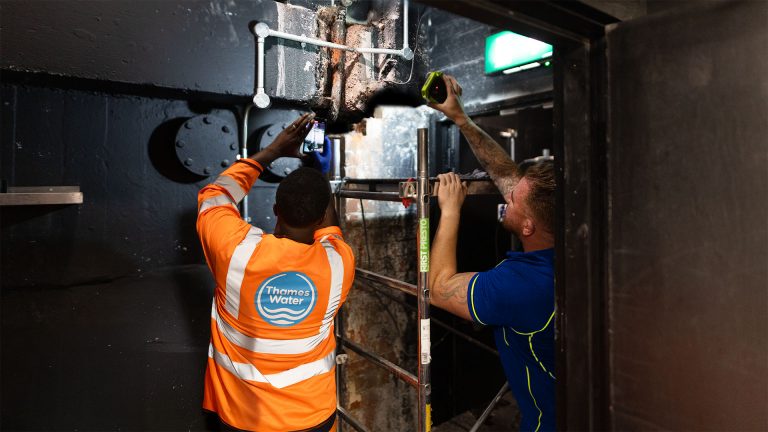
When selecting best hot water tank repair service professionals for installation or repair services:
- Look for licensed contractors who specialize in both residential and commercial services. Request estimates upfront so you know expected costs involved throughout any work performed—this transparency helps avoid unnecessary surprises later down line!
Professional assessments often reveal potential problems early-on before they escalate into major repairs down road!
Conclusion
Understanding how your hot water system works empowers you as a homeowner or business owner alike! Whether installing new units altogether or troubleshooting existing ones—awareness about common issues encountered alongside regular maintenance practices makes all difference between functionality versus frustration!
Investing time upfront learning about options available ultimately leads better choices tailored specific needs overall resulting long-term satisfaction each day ahead!